

What Did Jesus Mean by “You Clean the Outside of the Cup, but Inside You Are Full of Greed”?

What Did Jesus Mean by “You Clean the Outside of the Cup, but Inside You Are Full of Greed”?
1. The Saying
“You clean the outside of the cup and the plate, but inside they are full of greed and self-indulgence.”
Matthew 23:25–26; Luke 11:37–41
2. The Short Answer
Jesus was exposing religion that manages appearance while leaving desire untouched. External correctness cannot compensate for inward greed, self-indulgence, and moral corruption; cleansing must begin within.
3. What Jesus Said—and Why
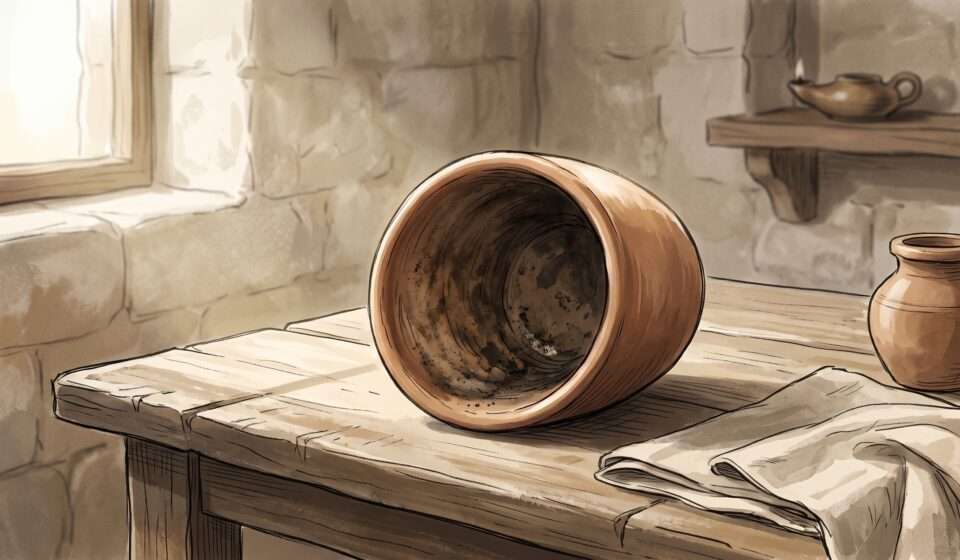
Jesus pronounced woes against religious leaders whose public rigor concealed distorted loves. They carefully observed visible practices while neglecting justice, mercy, faithfulness, and inward integrity. The cup image made hypocrisy concrete: the vessel looks clean while its contents remain corrupt.
4. What His First Hearers Would Have Heard
Purity practices were serious matters in Jewish life. Jesus did not mock holiness; He attacked selective holiness. A cup ceremonially clean outside but filled with stolen or self-indulgent goods exposed the absurdity of ritual concern detached from moral reality.
5. What Jesus Was Affirming, Confronting, or Demanding
Jesus affirmed that God cares about the heart and the ethical source of what we possess. He confronted image management, greed, and religious performance. He demanded inner cleansing that produces outward integrity.
6. What This Saying Does Not Mean
Jesus was not saying outward conduct is irrelevant. He said to cleanse the inside so that the outside also becomes clean. The answer to hypocrisy is not abandoning obedience; it is obedience flowing from a transformed heart.
7. What This Means for Us Now
We can curate reputations, maintain orthodox language, and practice visible discipline while remaining ruled by appetite. Jesus asks not only whether our behavior appears clean, but what fills the cup: how money was gained, why service is performed, what desires govern private life, and whether mercy matches confession.
8. For Further Reflection
- What part of your public image is cleaner than your inner life?
- What would inward cleansing require you to confess, release, or repair?