Simon of Cyrene: The Passerby Compelled to Carry Jesus’ Cross.
This is Jesus According to Jesus. This reflection belongs to our Encounters with Jesus collection. Its focus is this: What happens when ordinary, wounded, skeptical, religious, rejected, powerful, desperate, and morally compromised people meet Jesus? These articles enter the Gospel encounters themselves—examining what each person wanted, what Jesus saw, what He said, what…. Listen carefully and think about what Jesus says. Let’s begin.
Simon of Cyrene: The Passerby Compelled to Carry Jesus' Cross.
Primary Text: Mark 15:21; Matthew 27:32; Luke 23:26
The Person Before the Encounter.
Simon came from Cyrene in North Africa and was passing by as Jesus was led to crucifixion. Mark identifies him as the father of Alexander and Rufus, suggesting his family later became known among Christians.
Why the Encounter Happened.
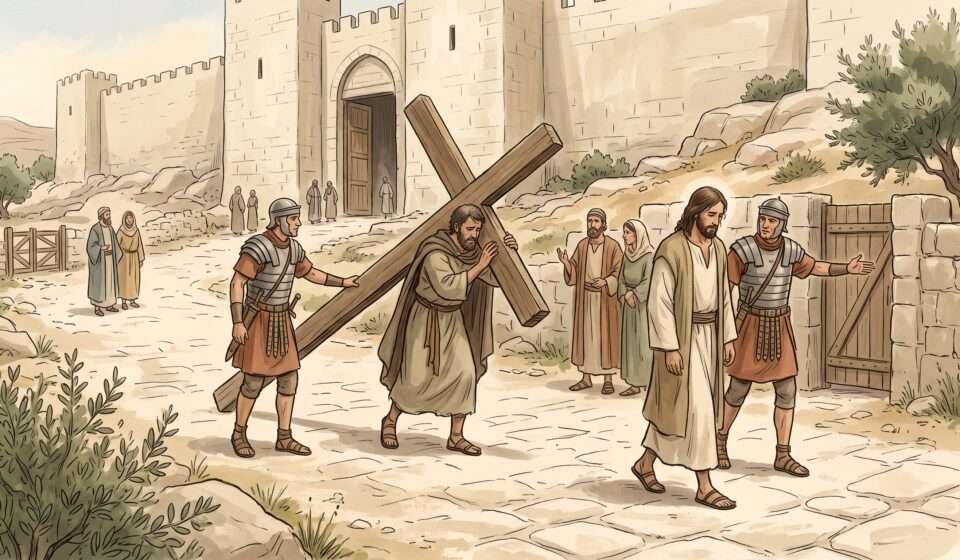
Roman soldiers compelled Simon to carry Jesus' cross. He did not volunteer for a symbolic act of devotion. The encounter interrupted his plans through imperial force.
What Jesus Saw That Others Missed.
Simon walked behind Jesus carrying the instrument of execution. The scene physically resembled the discipleship language Jesus had already used: take up the cross and follow Me.
Jesus saw a man drawn unexpectedly into the path of suffering. The Gospels do not record words between them, but the nearness itself was unforgettable.
What Jesus Said or Did.
Simon could not carry the redemptive burden Jesus alone would bear. He carried wood; Jesus bore sin, shame, and judgment.
Yet Simon's compelled service placed him near the crucified King. What began as interruption may have become the defining story of his household.
The Decision and Transformation.
The encounter speaks to people whose lives are redirected by burdens they did not choose. Not every cross-shaped responsibility is evidence of punishment or failure.
Mark's reference to Alexander and Rufus suggests that Simon's household may have become known within the Christian movement. Scripture does not narrate the process, so certainty would go beyond the text. Yet the detail invites reflection on how one involuntary interruption may have opened a family story of faith.
The Reader Before Jesus.
Simon also carried the cross because Jesus' body had been brutalized. The scene preserves the true physical cost of the Passion. Jesus was not acting out symbolic suffering. He was exhausted, wounded, and moving toward death. Following Him requires confronting the reality of that sacrifice rather than turning the cross into decoration.
Following Jesus sometimes begins before understanding catches up. A person may first walk the road under weight and later discover who was walking ahead.
Luke specifically says Simon carried the cross behind Jesus. The wording invites readers to see the physical scene as a living picture of discipleship. Yet Simon did not lead or choose the destination. He followed where Jesus was already going. Christian suffering is never redemptive in the unique sense of Christ's cross, but it can become faithful participation in His path.
Follow Christ and Grow with Others.
Bring Christ the interruption, the burden, and the path you did not plan. Let suffering become nearness rather than only resentment.
Follow Jesus behind the cross. Join believers from many nations who can help carry burdens, interpret suffering through the Gospel, and grow together in meaningful community around the One who carried what no one else could.